
Stretching and Recovery Guide
Proper recovery is the bridge between two great workouts. At FlexUK, we believe that education is just as important as the equipment itself. This guide provides a starting point for anyone looking to optimise their post-workout recovery through foam rolling and structured stretching routines.
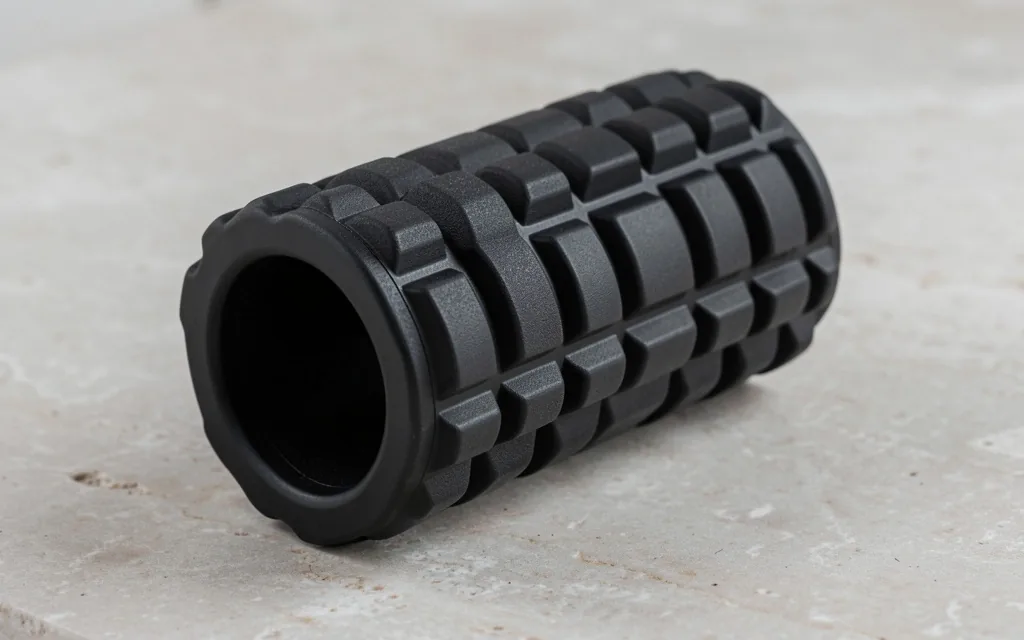
High-density foam roller
A versatile myofascial release tool for large muscle groups, IT band work, and thoracic spine mobilisation.
View rollers →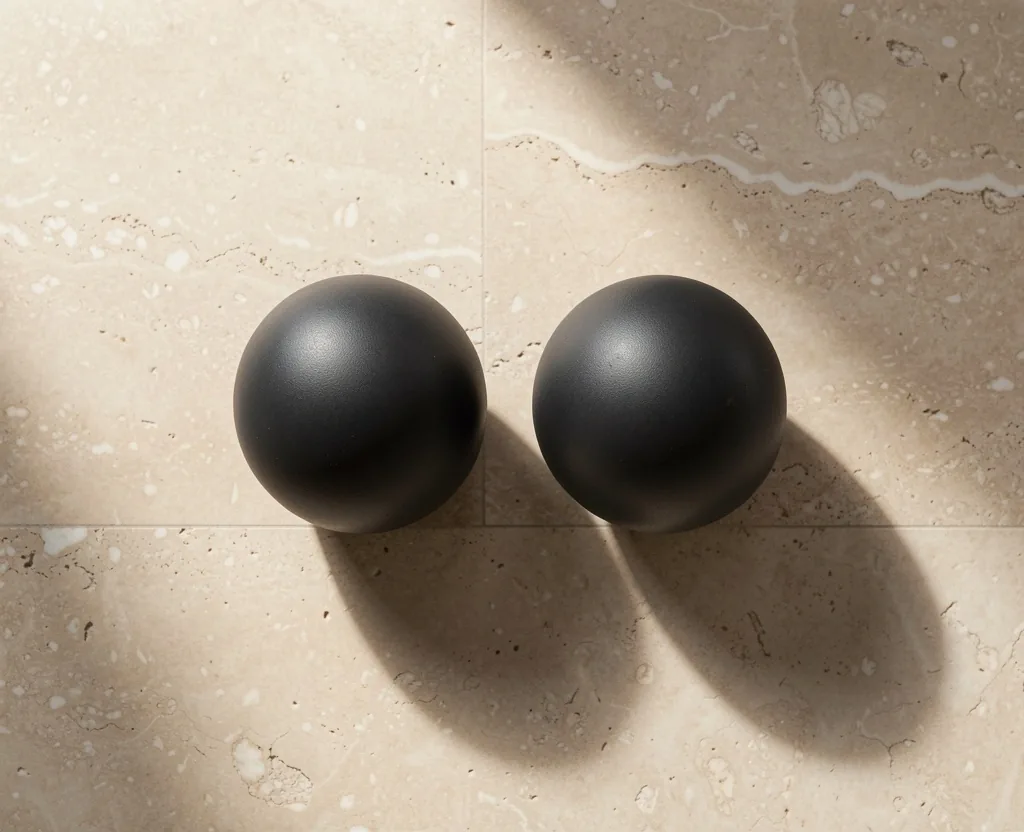
Foundations of muscle recovery
Muscle recovery involves more than just rest; it is an active process of restoring tissue quality. When you train, you create micro-level stress in muscle fibres and the surrounding fascia. How you recover determines how well that tissue reorganises before your next session.
Using tools like massage balls helps stimulate circulation to the area and assists in the removal of metabolic waste that accumulates during exercise. The pressure from a ball or roller encourages local blood flow, which brings fresh oxygen and nutrients to working tissue while clearing byproducts of effort.
Integrating these practices into your cool-down phase can significantly change how you feel the next morning. A short session of targeted pressure work — even five to ten minutes — signals to the nervous system that the workout is over and the restoration phase has begun. Over time, this consistent approach keeps tissue more pliable and responsive.
Think of recovery as its own training discipline. The same attention you give to sets, reps, and form during a workout deserves an equivalent focus on what happens afterwards. Mobility tools for seniors and younger athletes alike share the same underlying principle: tissue that receives regular, varied pressure and movement adapts better than tissue that is simply left alone.
Essential foam rolling exercises
To get the most out of your muscle massage roller, start with large muscle groups. Slowly roll the length of the muscle, pausing on any particularly tender spots for 20 to 30 seconds. Consistency in these foam rolling exercises is the key to maintaining pliable muscles.
IT band
Lie on your side with the roller beneath the outside of your thigh. Roll slowly from just below the hip to just above the knee. Keep your top leg forward for support, and pause on tender points along the length of the band.
Calves
Sit with the roller under your lower leg, hands behind you for support. Lift your hips slightly and roll from the ankle to the back of the knee. Cross the free leg over the working leg to add pressure when needed.
Thoracic spine
Lie face up with the roller beneath your upper back, hands clasped behind your head to support the neck. Keep your hips on the floor and gently roll from the base of your neck to the middle of your back. This mobilises the upper spine and opens the chest, which is especially useful after long hours at a desk or a heavy pressing session.
Relieving muscle tension after work
Stiffness is not always caused by the gym; sitting at a desk can be just as taxing. Hours in a chair shorten the hip flexors, round the shoulders, and flatten the natural curve of the lower back. The result is a body that feels tight before any workout has even begun.
Stretching for a stiff back involves opening up the chest and lengthening the hip flexors, which often become tight after prolonged sitting. A simple doorway chest stretch held for thirty seconds on each side, combined with a kneeling hip flexor stretch, addresses the two areas most affected by desk work.
Using a peanut massage ball on the upper back can help reset your posture after a long day. The twin lobes of the ball cradle the spine, allowing you to apply focused pressure to the muscles on either side of the vertebrae without pressing directly on bone. Lie back, place the ball between your shoulder blades, and gently extend over it. A few slow breaths at each position is usually enough to feel a noticeable shift.
Lower back relief tools work best when they support movement rather than replace it. The goal is not to hammer a tight spot into submission but to remind the tissue that a fuller range of motion is available. Short, frequent sessions are more productive than occasional long ones.
Post-workout recovery routines
A standard post-workout routine should include five minutes of light movement followed by targeted myofascial release. Focus on the muscles you just trained, then move to a static stretching routine on a pilates mat. This sequence helps the nervous system down-regulate, preparing the body for repair.
Light movement
Walk, cycle gently, or row at a conversational pace. The aim is to bring your heart rate down gradually while keeping blood flowing to the muscles you just used. Avoid stopping abruptly after intense effort.
Myofascial release
Use a foam roller or massage balls on the muscle groups you trained. Roll slowly, pause on tight spots, and breathe steadily. Work each area for one to two minutes before moving on.
Static stretching
Move to a pilates mat and hold stretches for the major muscle groups. Aim for thirty seconds per stretch, focusing on slow, controlled holds rather than forcing range of motion.
Down-regulation
Finish with slow nasal breathing, lying flat on your mat. This signals the nervous system to shift from a sympathetic state to a parasympathetic one, setting the stage for tissue repair.
Stretching for beginners: getting started
If you are new to stretching, focus on the basics: hamstrings, hips, and shoulders. Use a yoga mat to ensure you have a comfortable surface, and do not push into sharp discomfort. Flexibility takes time, and a gentle, daily approach is far more effective than an aggressive weekly session.
The most common mistake is treating a stretch like a strength exercise — pushing hard, holding the breath, and hoping for a quick result. Instead, think of each stretch as a conversation with your tissue. You apply a gentle signal, wait for the nervous system to accept it, and then the range opens on its own.
A body stretching routine for beginners can be as simple as five positions held for thirty seconds each. Consistency matters more than duration. Ten minutes every day will produce more meaningful change than an hour once a week, because the tissue adapts to repeated, manageable signals rather than occasional overload.
Managing stiff joints
Stiff joints can often be addressed by focusing on the muscles surrounding them. This indirect approach is a hallmark of a smart mobility program: rather than working on the joint itself, you release the tissue that pulls on it.
If your knees feel tight, use a foam roller on your quads and calves to reduce the tension pulling on the joint. Gentle fitness equipment like resistance bands can also help strengthen the muscles that support the knee without loading the joint directly.
Tight hips often show up as restriction in the lower back or knees. Rolling the glutes and hip flexors, combined with slow dynamic stretches, helps restore range without forcing the joint.
A peanut massage ball placed along the upper back can release the muscles that govern shoulder position. Safe exercises for knees, shoulders, and hips all share the same principle: address the surrounding tissue first.
For the thoracic spine, gentle extension over a foam roller encourages mobility in the upper back. A back support cushion can help maintain neutral alignment during seated work between training sessions.
The role of hydration in recovery
While equipment is vital, internal factors matter too. Fascia and muscle tissue are largely composed of water. To ensure your myofascial release tools are effective, you must stay hydrated, as dehydrated tissue is more resistant to change and more prone to stiffness.
Think of hydrated fascia like a well-watered sponge: it yields under pressure and returns to shape easily. A dry sponge is brittle and resists deformation. Drinking enough water throughout the day — not just during your workout — keeps the tissue responsive to the work you do with a roller or ball.
A practical approach is to spread your intake across the day rather than drinking large amounts at once. If you are training hard or in a warm environment, adding a pinch of sea salt to your water can help replace minerals lost through sweat and support tissue fluid balance.
Advanced techniques: PNF and dynamic stretching
As you become more comfortable, you can explore Proprioceptive Neuromuscular Facilitation using resistance bands. This involves a contract-relax cycle that can lead to rapid improvements in range of motion. Always ensure you are properly warmed up before attempting advanced stretching techniques.
A basic PNF pattern: move into a stretch, hold for ten seconds, then contract the target muscle against the resistance band for six seconds. Relax, and ease gently into the new range. The nervous system briefly allows more range after the contraction, which is why the second stretch feels noticeably deeper.
Dynamic stretching — controlled leg swings, arm circles, and walking lunges — is best used before training to prepare tissue for movement. Save static holds and PNF work for after the session, when the body is warm and the nervous system is ready to accept new range.
Your recovery questions
Two of the most common questions we hear from people starting a foam rolling and stretching routine. For more detail on specific tools, browse the equipment pages or get in touch.
How often should I use a foam roller?
For most people, a daily session of 10 to 15 minutes is ideal. You can roll before a workout to wake up the muscles or after to aid in recovery. If daily feels like too much, aim for three to four sessions per week and pay attention to how your body responds the morning after training.
Is it normal for massage balls to feel uncomfortable?
Myofascial release can be intense, especially in tight areas. It should feel like a firm, productive pressure; if you feel sharp or radiating discomfort, reduce the pressure or move to a different spot. Learning how to release muscle knots is a gradual process of listening to the tissue and adjusting accordingly.
Put the guide into practice
Browse the full FlexUK range of foam rollers, massage balls, and stretching equipment. Every tool in the collection is chosen to support a consistent, productive recovery routine.